
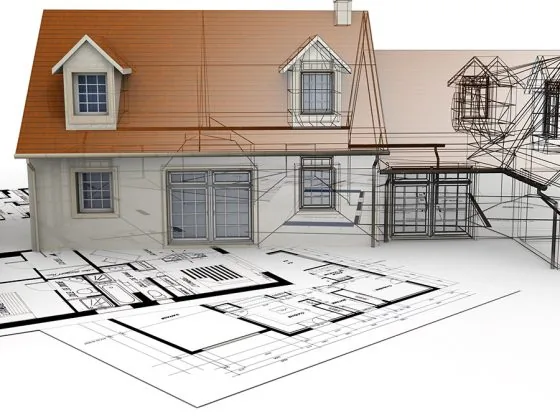
When planning a new home, one of the first and most important decisions is how it will be built. For decades, traditional site-built construction has been the default choice. More recently, modular construction has emerged as a serious alternative, offering a different approach to building homes.
Both methods can produce high-quality results, but they differ significantly in timelines, durability, cost control, and long-term maintenance. Understanding these differences can help homeowners make informed decisions based on how they want to live, not just how homes have always been built.
What Is Traditional Construction?
Traditional construction, often called stick-built construction, happens almost entirely on site. Materials are delivered to the property, and the home is built piece by piece in the open environment. This process relies heavily on local labor, weather conditions, and the availability of subcontractors.
While traditional construction offers flexibility in design, it also introduces variables that are difficult to control. Weather delays, labor shortages, supply chain disruptions, and permitting issues can significantly extend timelines and increase costs.
For some homeowners, this process works well. For others, the unpredictability becomes a major drawback.
What Is Modular Construction?
Modular construction involves building a home in a controlled factory environment using standardized processes and quality controls. The completed modules or foldable structures are then transported to the site for final placement and connection.
Unlike temporary or mobile structures, modern modular homes are designed to meet or exceed building codes. They are permanent structures intended for long-term use.
The key difference is not quality, but process. Modular construction shifts much of the work off-site, reducing exposure to weather, improving consistency, and shortening overall timelines.
Comparing Timelines
One of the most noticeable differences between modular and traditional construction is time.
Traditional homes often take several months to over a year to complete. Each stage depends on the previous one, and delays in framing, inspections, or material delivery can ripple through the entire schedule.
Modular construction allows many stages to happen simultaneously. While site preparation is underway, the home is built in the factory. Once the structure is complete, it is delivered and installed in a fraction of the time required for a full site build.
For homeowners, this means less waiting, fewer delays, and faster move-in dates.
Durability and Build Quality
A common misconception is that traditional construction is inherently stronger or more durable. In reality, durability depends on materials, engineering, and quality control, not where the home is built.
Traditional homes are built outdoors, exposed to moisture, temperature changes, and weather during construction. Wood framing can absorb moisture before the home is sealed, potentially leading to long-term issues.
Modular homes are built in controlled environments where materials are protected. Consistent conditions allow for tighter tolerances, better assembly, and repeatable quality.
In many modular homes, including steel-built designs, structures are engineered to withstand transportation stresses. This often results in stronger framing and connections than those required for stationary builds.
Cost Predictability
Cost is one of the most important factors for most homeowners.
Traditional construction costs can be difficult to predict. Estimates may change due to material price fluctuations, labor availability, and unexpected site conditions. Change orders are common, and budgets can grow well beyond initial projections.
Modular construction offers greater cost certainty. Pricing is typically defined earlier in the process, with fewer variables during the build. Because much of the work is standardized, material waste is reduced and labor efficiency is improved.
This predictability makes modular construction especially appealing to first-time buyers, retirees, and those working within defined budgets.
Long-Term Maintenance Considerations
Maintenance is often overlooked during the planning stage, but it has a major impact on long-term ownership costs.
Traditional homes often require ongoing exterior maintenance. Roofing, siding, paint, and weather-related repairs can add up over time. Material choices and exposure during construction can influence how soon maintenance is required.
Many modular homes are designed with durability and low maintenance in mind. Steel framing, high-performance insulation, and long-life exterior systems reduce the need for frequent repairs.
By prioritizing material longevity and weather resistance, modular construction can significantly lower long-term maintenance demands.
Design Flexibility and Modern Needs
Traditional construction has long been associated with design flexibility, but modular design has evolved significantly.
Modern modular homes offer a wide range of layouts, sizes, and customization options. From compact studios to multi-bedroom family homes, modular construction can accommodate diverse lifestyles.
In addition, modular design often emphasizes efficiency. Thoughtful layouts, integrated systems, and optimized space planning result in homes that feel intentional rather than oversized.
For homeowners who value function over excess, this approach aligns well with modern living.
Environmental Impact
Sustainability is an increasingly important consideration.
Traditional construction can generate significant material waste due to on-site cutting, errors, and weather damage. Transportation of materials to the site over extended periods also increases environmental impact.
Modular construction typically produces less waste. Materials are measured precisely, excess is recycled more efficiently, and controlled environments reduce damage and errors.
Energy efficiency is also easier to achieve in factory-built homes due to tighter building envelopes and consistent insulation installation.
Which Option Is Right for You?
There is no single answer that fits everyone.
Traditional construction may appeal to those who want highly customized designs, are comfortable with longer timelines, and are prepared for variable costs and maintenance.
Modular construction is often a better fit for homeowners seeking predictability, durability, efficiency, and faster delivery. It is particularly well suited for those who value long-term performance and modern living without unnecessary complexity.
Rethinking How Homes Are Built
The question is no longer whether modular construction can match traditional builds. In many cases, it surpasses them.
As housing needs evolve, so do construction methods. Modular construction represents a shift toward smarter building, better quality control, and more intentional use of resources.
For homeowners comparing their options, understanding the real differences makes it easier to choose a home that fits not just today’s needs, but tomorrow’s as well.