
Over the past decade, housing options have increasingly polarized. On one end are tiny homes, celebrated for simplicity and minimalism. On the other are traditional site-built homes, often larger, more complex, and more expensive than many people want or need. For a growing number of homeowners, neither option truly fits.
There is a wide and underserved space between these two extremes. It is the space where people want a real home, but not an oversized one. A permanent structure, but not a multi-year construction project. A place designed for long-term living, without the burden of excessive cost, maintenance, or unnecessary square footage.
This is the space SEED Homes was built for.
Why Tiny Homes Are Not Enough for Many People
Tiny homes have played an important role in rethinking how much space people actually need. They challenge excess and encourage intentional living. For some, they are a perfect fit.
But for many homeowners, tiny homes come with real limitations.
Most tiny homes are under 400 square feet. That often means limited storage, reduced privacy, and layouts that require constant compromise. Lofted sleeping areas, narrow staircases, and multi-use furniture can work short term, but they are not ideal for families, remote workers, or anyone planning to stay long term.
Durability is another concern. Many tiny homes are built on trailers or with lightweight materials. While mobility is a benefit, it often comes at the cost of insulation, weather resistance, and longevity. In harsh climates, these limitations become even more apparent.
For people looking for permanence, comfort, and resilience, tiny homes can feel more like a temporary solution than a true home.
Why Traditional Builds Are Out of Reach for Many
At the other end of the spectrum are traditional homes. While they offer space and permanence, they come with their own challenges.
Construction timelines can stretch from months to years. Costs are often unpredictable, with material price swings, labor shortages, and permitting delays. Maintenance requirements are ongoing and can be expensive over time.
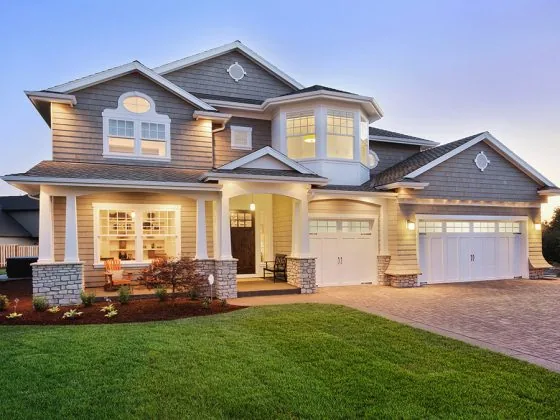
Traditional homes are also frequently larger than necessary. Many homeowners do not need 2,500 or 3,000 square feet, but smaller conventional homes are increasingly rare. Zoning, builder incentives, and market trends tend to push construction toward larger footprints.
For first-time buyers, retirees, landowners, and people seeking a simpler lifestyle, traditional construction can feel like more commitment than they want, financially and logistically.
The Growing Demand for Something In Between
Today’s homeowners are looking for balance.
They want a home that feels solid and permanent, not temporary or experimental. They want enough space to live comfortably, host guests, work from home, or raise a family. They want predictable costs, efficient systems, and lower maintenance over time.
They also want flexibility. The ability to place a home on rural land, in a remote location, or on property that would be difficult for traditional construction. Many want off-grid capability, sustainable materials, and homes designed for real environmental conditions, not ideal ones.
This growing demand has created a gap in the housing market. It is the gap between minimalism and excess. Between temporary and permanent. Between overbuilt and underdesigned.
SEED Homes exists in that space.
How SEED Homes Fills the Gap
SEED Homes are engineered homes designed specifically for the space between tiny homes and traditional builds.
They are not trailers, sheds, or short-term structures. They are steel-built, code-compliant homes designed for long-term ownership and real-world use. Every model balances efficiency with livability, offering more space than a tiny home without the excess of a traditional house.
With models ranging from compact studios to full-size family homes, SEED provides options that scale with lifestyle needs. Defined bedrooms, full bathrooms, open living areas, and thoughtful layouts make these homes suitable for everyday life, not just novelty living.
Construction is another key difference. SEED Homes use industrial-strength steel framing, high-performance insulation, and durable exterior systems. This results in homes that can withstand extreme weather, require minimal exterior maintenance, and perform consistently over time.
For homeowners concerned about climate, durability, and long-term value, this level of construction matters.
Designed for Flexibility and Placement
One of the biggest challenges in housing today is access. Many people own land but cannot easily build on it due to cost, terrain, or location. Traditional construction often requires extensive site work, heavy equipment access, and long timelines.
SEED Homes are designed to reduce these barriers.
Foldable and shippable designs allow homes to be transported efficiently and placed in locations where traditional builds struggle. Whether on rural acreage, remote property, or challenging terrain, SEED Homes expand what is possible.
Off-grid readiness further increases flexibility. Solar integration, water-gathering systems, and efficient mechanical design allow homeowners to live independently without sacrificing comfort.
This combination of durability and adaptability is what allows SEED Homes to function as true long-term housing solutions, not compromises.
A Long-Term Approach to Living
Perhaps the most important distinction is intent.
Tiny homes often start with the idea of doing more with less, but can become limiting over time. Traditional homes often start with abundance, but come with long-term costs and complexity.
SEED Homes are designed with longevity in mind. They are meant to be lived in for years, not seasons. Materials, systems, and layouts are selected for durability, efficiency, and ease of ownership.
This approach reflects how people actually want to live today. More intentional. More flexible. More grounded.
Redefining What a Home Can Be
The future of housing is not one-size-fits-all. It is not limited to extremes. It exists in the space between.
SEED Homes represents a shift toward smarter, more thoughtful housing. Homes that respect budget, environment, and lifestyle without forcing unnecessary tradeoffs.
For those who want something more than a tiny home, but less than a traditional build, SEED fills the gap with purpose, performance, and permanence.
And in that space between, many people are finally finding a place that truly feels like home.